For many parents, the after-school hours are a delicate balance between giving children downtime and fostering meaningful growth. Traditional activities like sports and tutoring are valuable, but an increasing number of families are seeking experiences that stretch imagination and independence. The goal isn’t just to fill time—it’s to expand a child’s world in unexpected ways.
What You’ll Discover
Fresh alternatives to traditional after-school programs
Activities that nurture creativity, empathy, and problem-solving
Real-world skill builders that translate into confidence and curiosity
How entrepreneurship and innovation can shape a teen’s sense of purpose
Where Curiosity Meets Action
Children thrive when learning feels like play and play feels like discovery. Beyond the familiar piano lessons or soccer practice, today’s parents are finding innovative programs that let kids explore identity, community, and creativity in new ways.
Before choosing, consider what sparks your child’s curiosity. Is it inventing things? Solving mysteries? Helping others? The right environment transforms these natural inclinations into self-guided exploration.
Creative Laboratories in Everyday Life
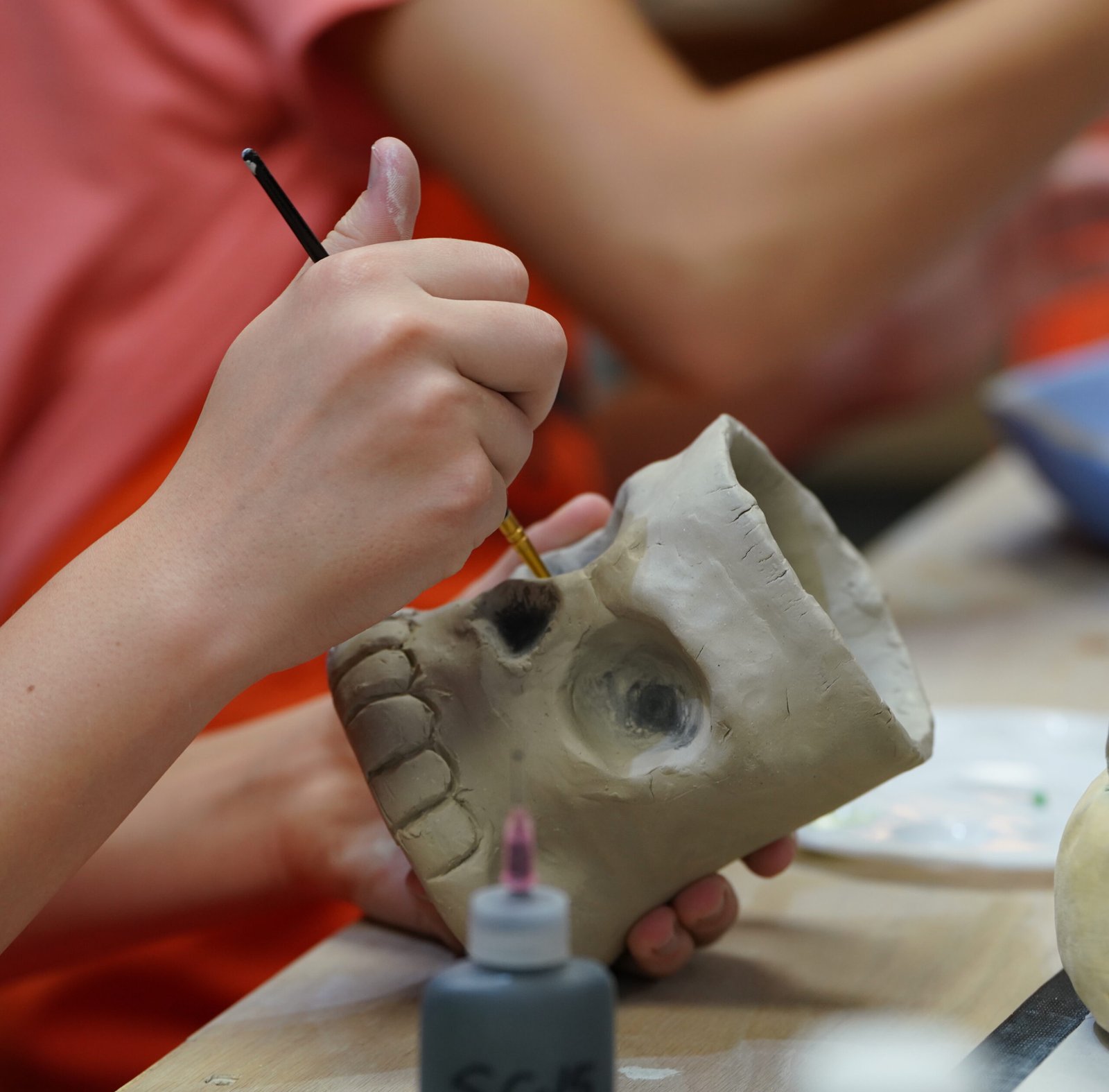
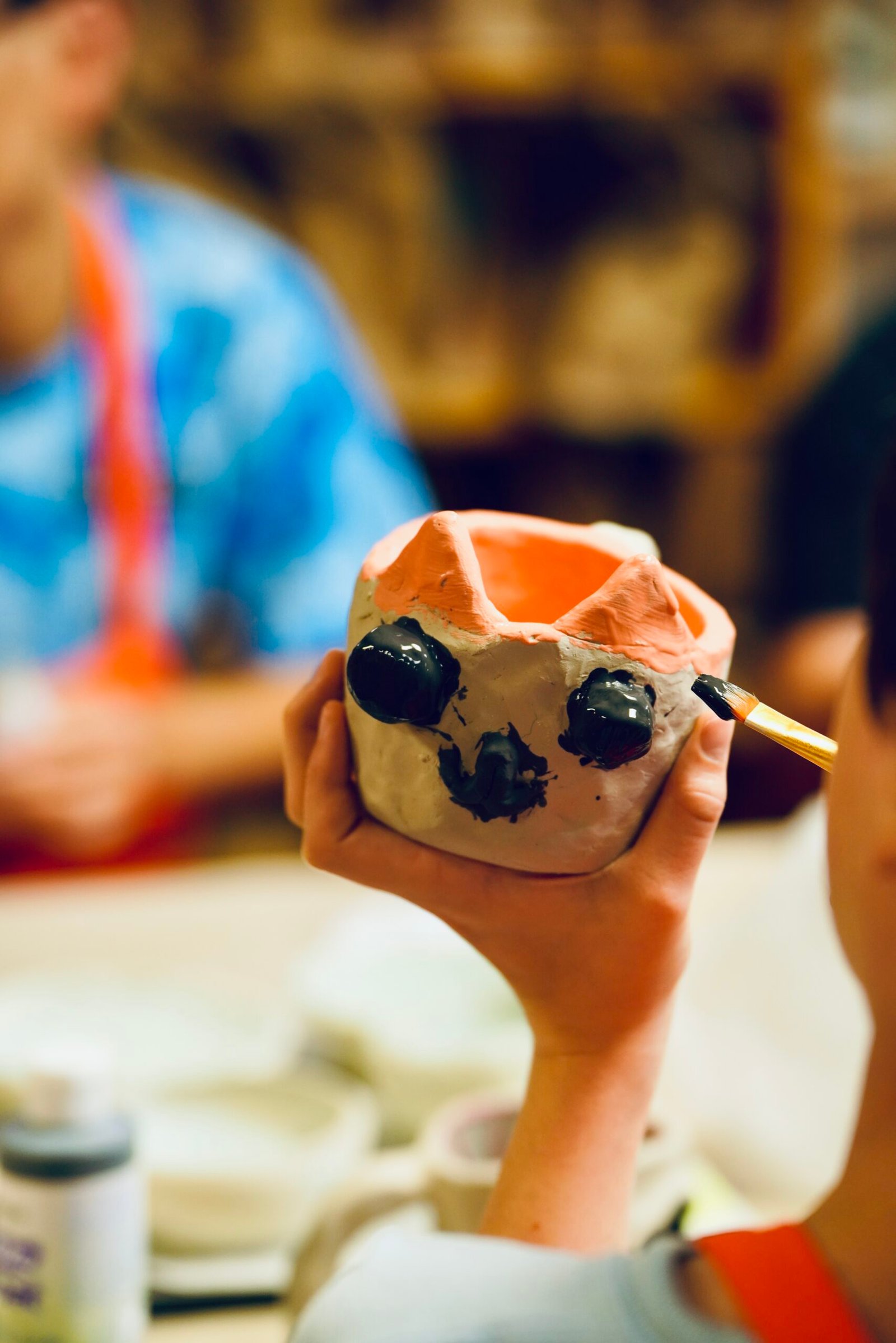
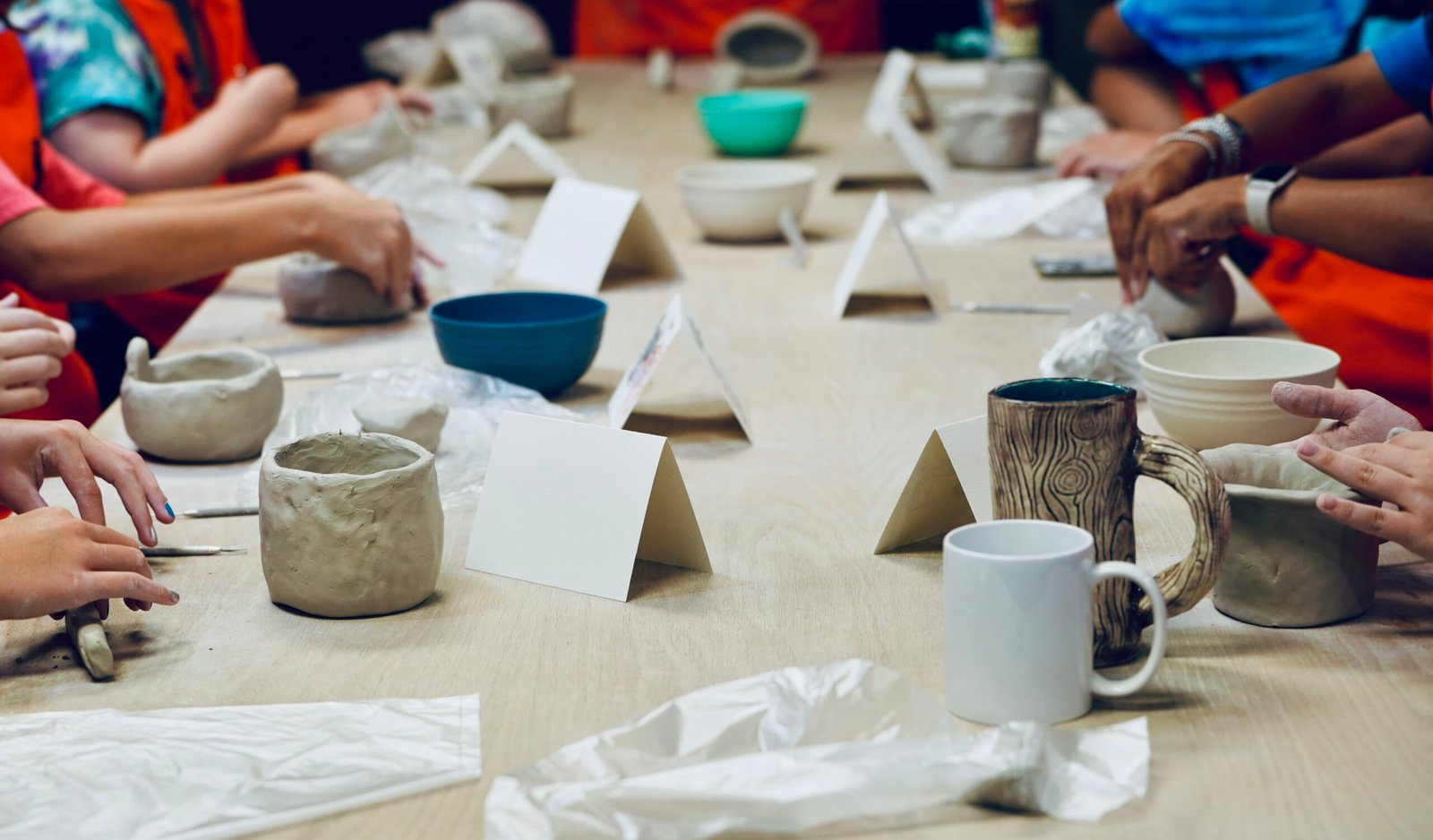
Hands-on activities often teach more than lectures ever could. Parents looking to engage their child’s curiosity can explore programs that emphasize experimentation and collaboration:
Maker studios and community workshops where kids build gadgets or design small-scale inventions
Nature exploration clubs that teach environmental awareness through real-world problem-solving
Theater labs and improv groups that boost empathy, communication, and confidence
Culinary clubs that blend creativity with sensory experience and practical life skills
These environments encourage resilience through trial and error, helping children develop the mindset that mistakes are opportunities to learn rather than failures to avoid.
How to Choose the Right Fit
The best activity is one that fits a child’s personality while stretching their comfort zone just enough. Keep this simple checklist in mind when evaluating options:
Purpose: Does it nurture creativity or self-expression?
Participation: Is your child actively involved, not just observing?
People: Are mentors and peers positive influences?
Progress: Can your child see tangible results or milestones?
Passion: Does your child look forward to attending?
Children flourish when they have ownership in what they do—whether that means choreographing a dance, coding a robot, or planting a community garden.
Building Confidence Through Teen Entrepreneurship
For older kids, after-school time can also be a gateway to developing real-world problem-solving and independence. Teen entrepreneurship programs offer hands-on experience in creativity, communication, and leadership. Starting small—like selling handmade crafts, tutoring younger students, or launching eco-friendly initiatives—teaches both financial literacy and accountability.
For teens ready to take their ideas public, digital tools make it easier than ever to stand out. Platforms like digital business card printing to set yourself apart allow them to design professional, AI-enhanced business cards that showcase their brand and creativity. This not only builds confidence but introduces them to design thinking, marketing, and networking—the soft skills that underpin tomorrow’s success stories.
The Hidden Power of Unstructured Exploration
While structured programs have benefits, unstructured time also plays a crucial developmental role. Free exploration—within safe boundaries—encourages independent thought and imagination. Let children direct their time toward building forts, sketching, inventing games, or simply daydreaming. This balance between guided and unstructured play fosters intrinsic motivation and creativity.
To integrate that spirit at home, try these quick ideas:
Create an “idea jar” where your child pulls a random prompt like “Design a game that teaches kindness” or “Invent a gadget for pets.”
Introduce “open studio time” once a week for self-chosen creative projects.
Join community art nights or local library maker sessions.
These micro-adventures build confidence by showing kids that imagination itself is a form of intelligence.
Comparing Enrichment Paths
Parents often ask how newer, creative programs compare to traditional after-school options. Here’s a quick side-by-side view:
Type of Activity | Core Benefit | Best For | Hidden Perk |
Academic Tutoring | Improves subject mastery | Students needing structured support | Builds discipline |
Sports & Athletics | Encourages teamwork & resilience | Physically active kids | Boosts emotional regulation |
Cultivates empathy & self-expression | Creative thinkers | Enhances communication skills | |
STEM or Maker Labs | Builds innovation mindset | Tinkerers & inventors | Links theory with practice |
Develops leadership & initiative | Teens seeking independence | Teaches real-world economics |
This table isn’t about choosing one “best” option—it’s about combining them intentionally to meet your child’s evolving interests.
Frequently Asked Questions
Before enrolling your child, here are some common parent questions worth considering:
1. How can I tell if a creative program is worth the investment?
Look beyond glossy brochures and focus on engagement. Visit the program if possible—observe whether children are collaborating, experimenting, and laughing. Quality programs encourage questions rather than rote answers. Ask about outcomes that go beyond grades: confidence, presentation skills, or teamwork.
2. What if my child is shy or introverted?
Introverted children often excel in environments where they can observe before acting. Look for smaller groups or interest-based settings like art studios, music classes, or coding clubs where collaboration happens quietly but meaningfully. Encourage participation at their pace—there’s no need for spotlight moments. Over time, creative spaces build self-assurance through mastery and expression rather than pressure.
3. Are creative activities as important as academics?
Absolutely. Academic knowledge teaches “what,” but creativity teaches “how” and “why.” A child who learns to problem-solve, communicate, and adapt is better equipped for an unpredictable world. Research shows creativity supports cognitive flexibility, which improves performance even in math and science. It’s not a distraction—it’s the foundation of innovative thinking.
4. How much structure do kids really need after school?
Balance is key. Over-scheduling can lead to burnout, while too much downtime can breed disengagement. Aim for two to three structured days and leave others open for self-guided discovery. Children need both frameworks for learning and freedom for reflection. The best growth happens when scheduled learning and curiosity coexist.
5. How do I help my teen explore entrepreneurship safely?
Start with simple, low-risk projects like handmade crafts or digital services. Encourage transparency about goals, budgets, and challenges. Teach them to document their process—it’s as valuable as profit. Look for mentorship-based programs where experienced professionals guide them responsibly.
6. What’s the ultimate takeaway from trying alternative after-school paths?
Children who explore beyond the textbook learn to see the world as solvable and full of opportunity. They develop empathy through collaboration and confidence through experimentation. Every new experience—successful or not—teaches resilience and perspective. By encouraging creative exploration, parents are raising thinkers, not followers. And that mindset endures far beyond childhood.
Closing Thoughts
After-school hours are more than a gap between the classroom and dinner—they’re an open field where character, curiosity, and confidence grow. Whether your child joins a maker club, starts a micro-business, or simply explores freely, what matters most is not the activity itself but the opportunity it creates: the freedom to imagine and the courage to try. In helping children explore the edges of their curiosity, parents aren’t just filling time—they’re shaping the next generation of thinkers, creators, and doers.